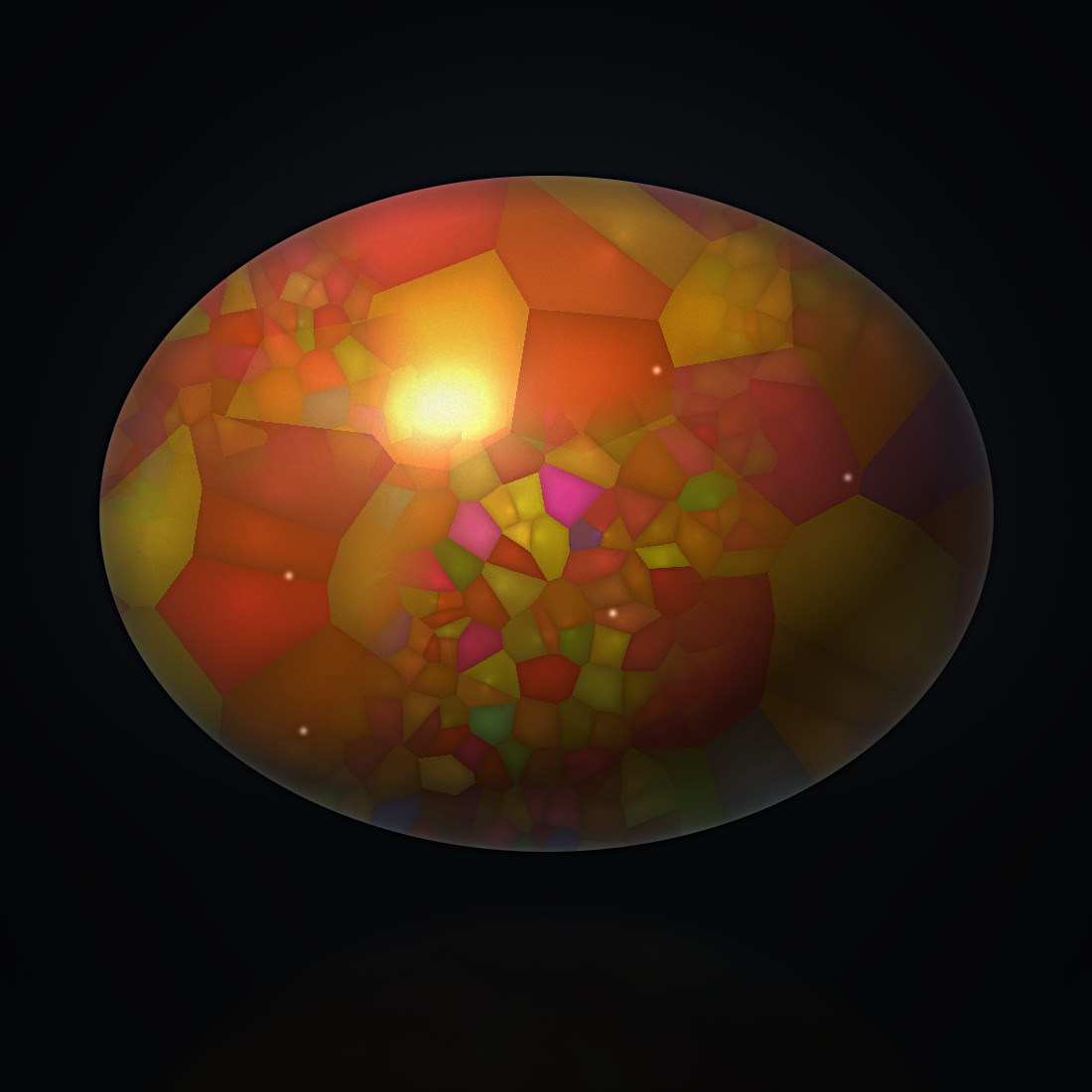
Few opal terms are used as loosely as "fire opal." Before you buy, it's worth knowing exactly what's on offer.
Two meanings of "fire opal"
- Body-color fire opal: transparent to translucent opal with a warm orange, amber, or red body — the classic Mexican-style meaning. It may or may not show play-of-color.
- "Fire" as play-of-color: sellers describing any opal with vivid flashing color as having "fire." Here "fire opal" just means a bright, colorful opal.
Ethiopian opal appears under both labels, which is why two stones sold as "Ethiopian fire opal" can look completely different.
Ethiopian fire opal specifically
Ethiopia does produce warm-bodied opal — honey, amber, and orange tones — some of it with play-of-color layered on top. It also produces bright Welo stones marketed as "fire" for their flashing color. Be aware that some warm and dark body colors are the result of smoke or sugar treatment rather than nature, so disclosure matters here as much as anywhere.
Body color vs play-of-color
These are two separate properties, and understanding the difference protects you:
| Body color | Play-of-color | |
|---|---|---|
| What it is | The stone's overall hue (e.g., orange) | Shifting spectral flashes |
| Changes with angle? | No | Yes |
| In "fire opal" | Warm body | May or may not be present |
Buying and caring for it
Ask the seller plainly: does "fire" refer to the body color, the play-of-color, or both? Confirm whether the color is natural or treated. And since Ethiopian fire opal is typically hydrophane like other Welo material, it needs the same water-aware handling covered in the care guide. For what it should cost, see price & value.
Frequently asked questions
What is Ethiopian fire opal?
It's either Ethiopian opal with a warm orange-to-red body color, or bright Ethiopian opal described as having “fire” because of its flashing play-of-color. The term is used both ways, so confirm which a seller means.
Is fire opal the same as Ethiopian opal?
Not exactly. “Fire opal” traditionally means warm-bodied opal (often Mexican), while Ethiopian opal is a source. Ethiopia produces both warm-bodied stones and bright play-of-color stones that get marketed as fire opal.
Does Ethiopian fire opal have play-of-color?
Sometimes. Body-color fire opal may show play-of-color or may not. If the flashing color matters to you, ask the seller to confirm it's present and visible from multiple angles.
Is Ethiopian fire opal treated?
Some warm and dark body colors come from smoke or sugar treatment rather than nature. Reputable sellers disclose this, so always ask whether the color is natural or treated.