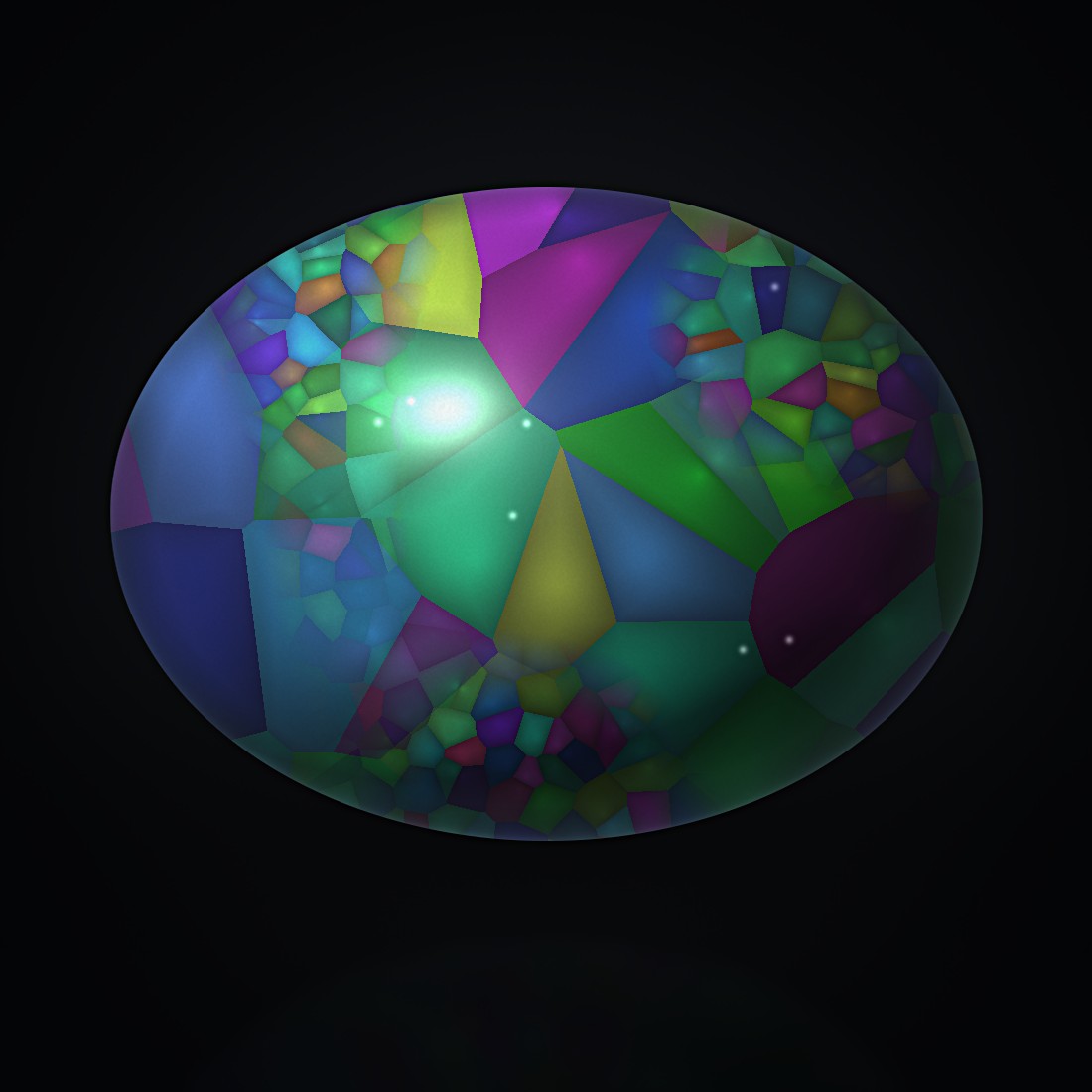
When people say "Ethiopian opal," they almost always mean Welo opal. It's worth knowing what that name actually refers to and what to look for in a good stone.
What is Welo opal?
Welo opal is precious opal from the Wollo Province in Ethiopia's northern highlands. The spelling varies — Welo, Wollo, Wello — but it's all the same source. Most of it is hydrophane, absorbing water and clearing again as it dries. The signature look is a transparent or milky body carrying broad, rolling flashes of color that seem to float inside the stone.
The 2008 discovery
A large deposit found near Wegel Tena (in the Delanta area) around 2008 transformed the opal trade. For the first time, bright precious opal was available in quantity from outside Australia, at prices that opened opal up to far more buyers. Within a few years Welo material was everywhere, from loose cabochons to finished jewelry.
Body types and patterns
Welo opal spans a range of looks:
- Crystal: transparent body, color suspended in clear stone — the most prized.
- White / milky: translucent light body, a bright and popular everyday look.
- Patterned: honeycomb, "flagstone," broad flash, and rolling color across the stone.
Some Welo is treated to change its body color — smoke or sugar treatment produces the dark stones sold as Ethiopian black opal, and warm-bodied material is marketed as fire opal. Natural, untreated Welo is the baseline everything else is compared to.
Welo vs older Ethiopian opal
Before Welo, Ethiopian opal mostly came from the Mezezo area of Shewa, discovered in the mid-1990s. That material often had a dark, chocolate-brown body and a reputation for crazing — developing fine cracks over time. Welo is generally brighter, more transparent, and, because it can rehydrate, often considered less prone to sudden crazing, though it still needs sensible care.
Buying Welo opal
Look for color that stays bright as you tilt the stone, a clean body without heavy cloudiness or visible cracks, and a seller who tells you whether the stone is natural or treated. Because Welo is hydrophane, read the care guide before wearing it, and see price & value for what a fair figure looks like.
Frequently asked questions
What is a Welo opal?
Welo opal is bright, mostly hydrophane precious opal from Ethiopia's Wollo Province, discovered near Wegel Tena around 2008. It's the source of nearly all opal sold today as “Ethiopian opal.”
Is Welo opal the same as Ethiopian opal?
Effectively yes, in everyday use. “Ethiopian opal” on the market almost always means Welo opal, though Ethiopia has also produced older Mezezo (Shewa) opal from the mid-1990s.
Is Welo opal hydrophane?
Most of it is. Welo opal is porous and absorbs water, which can make it turn cloudy or clear until it dries out. That's why it needs gentler care than Australian opal.
How do you spell Welo opal?
You'll see Welo, Wollo, and Wello — all refer to the same province and the same opal. “Welo” is the most common spelling in the gem trade.