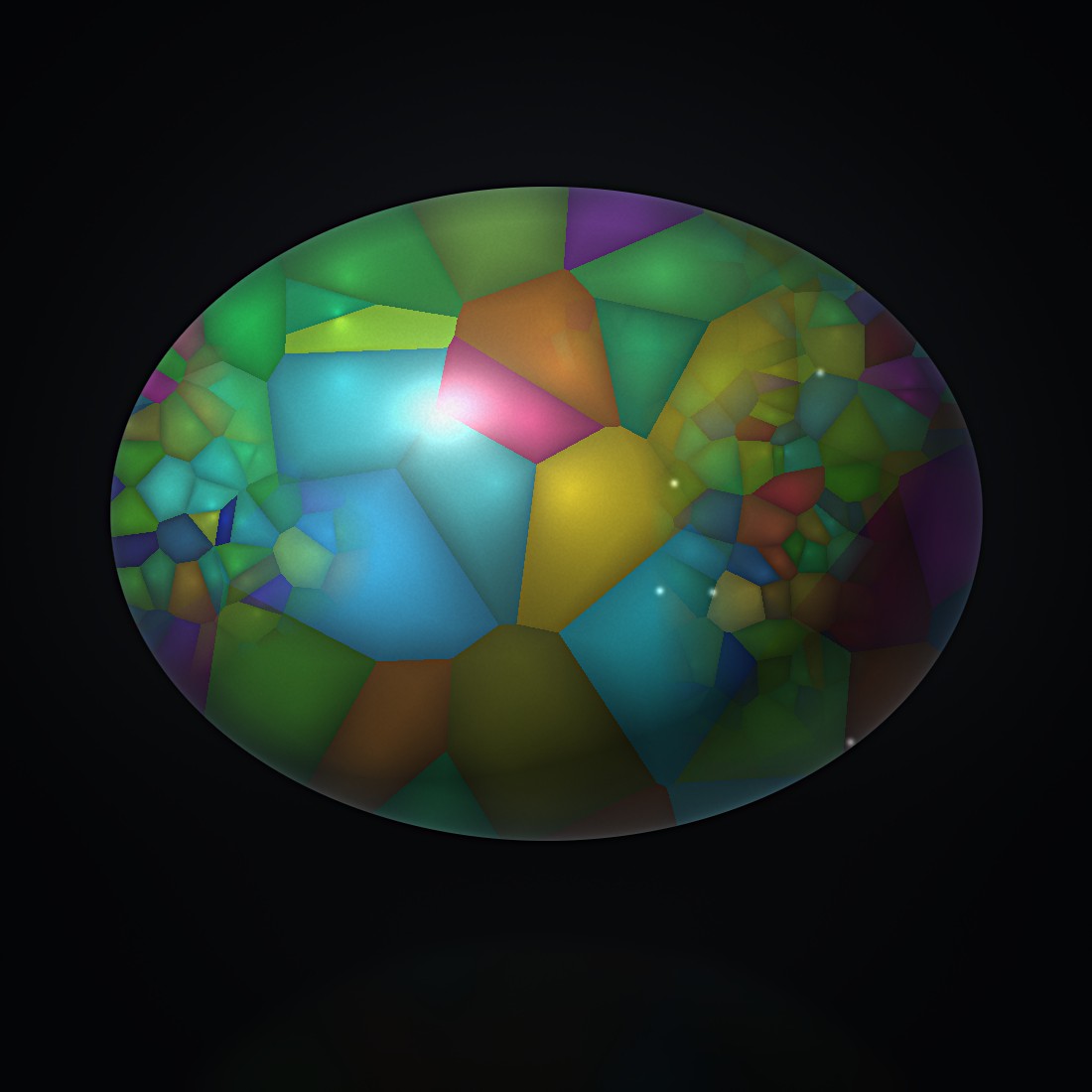
Opal is one of the hardest gems to price because so much rides on the eye of the stone rather than a lab number. Here's how value actually works for Ethiopian opal, with realistic ranges.
What drives the value
- Play-of-color: brightness, how much of the stone shows color, the range of colors, and the pattern. Broad, rolling, multi-color flashes beat a single pinfire glint.
- Body tone: a clean crystal or well-contrasted body makes color pop.
- Clarity & transparency: fewer cracks, cloudiness, or inclusions.
- Size & cut: larger clean stones and skilled cutting raise price per carat.
- Natural vs treated: the single biggest swing — treated stones are worth far less.
Realistic price ranges
Use these as a general guide only; opal prices vary widely between sellers and change over time.
| Grade | Look | Rough price / ct |
|---|---|---|
| Commercial | Faint or patchy color, some cloudiness | $5–$20 |
| Good | Bright color from most angles, clean body | $20–$50 |
| Fine | Vivid, broad, multi-color play | $50–$100+ |
| Gem | Exceptional color, clarity, and size | $100–$300+ |
Rough (uncut) Welo is much cheaper by weight but carries risk, since cracks and dull zones only reveal themselves in cutting. Finished jewelry adds the cost of metal and labor on top of the stone.
How treatment changes the price
Smoke, sugar/acid, and resin treatments are common in Ethiopian opal, especially for dark "black" stones. A treated stone can look impressive but is worth a fraction of a comparable natural one — and reputable sellers must disclose it. If a dark, vivid Ethiopian opal is priced like a bargain, treatment is the likely reason. Our authenticity guide covers how to tell, and the black opal guide explains the treatment specifically.
Why it costs less than Australian opal
Ethiopian opal is generally cheaper because the Welo deposit produced a lot of material after 2008, because hydrophane care and treatments make some buyers cautious, and because Australian opal enjoys a long reputation premium. That's good news for value hunters: you can get striking color for a modest price. The full comparison is in Ethiopian vs Australian opal.
Is Ethiopian opal a good investment?
Treat it as something to enjoy, not a liquid asset. Gem opal is illiquid, pricing is subjective, and treated stones don't hold value. If you love a stone, buy the best natural example you can afford from a seller who discloses everything; buy it for the fire, not the resale.
Where to buy fairly
Favor sellers who state treatment and origin, show the stone from multiple angles and in different light, and explain care. For higher-value purchases, ask about independent certification. Then protect your investment with the care guide.
Frequently asked questions
How much is Ethiopian opal worth per carat?
As a general guide, commercial cut stones run roughly $5–$20 per carat, good stones $20–$50, and fine to gem material $50 to a few hundred per carat. Prices vary widely by seller and over time, and treatment lowers value sharply.
Why is Ethiopian opal so cheap?
Mainly supply and perception. The Welo deposit produced abundant material after 2008, hydrophane care and common treatments make some buyers cautious, and Australian opal carries a reputation premium. It isn't cheap because it's low quality.
Are Ethiopian opals valuable?
Fine, natural stones with vivid, broad play-of-color are genuinely valuable, while commercial stones are inexpensive. The biggest factor is whether a stone is natural or treated.
Does treatment lower an Ethiopian opal's value?
Yes, significantly. Smoke, sugar, and resin treatments are common, and a treated stone is worth a fraction of a comparable natural one. Treatment must be disclosed by reputable sellers.
Is Ethiopian opal a good investment?
It's best bought for enjoyment rather than resale. Gem opal is illiquid and subjectively priced, and treated stones don't hold value. If you buy, choose the best natural stone you can afford with full disclosure.