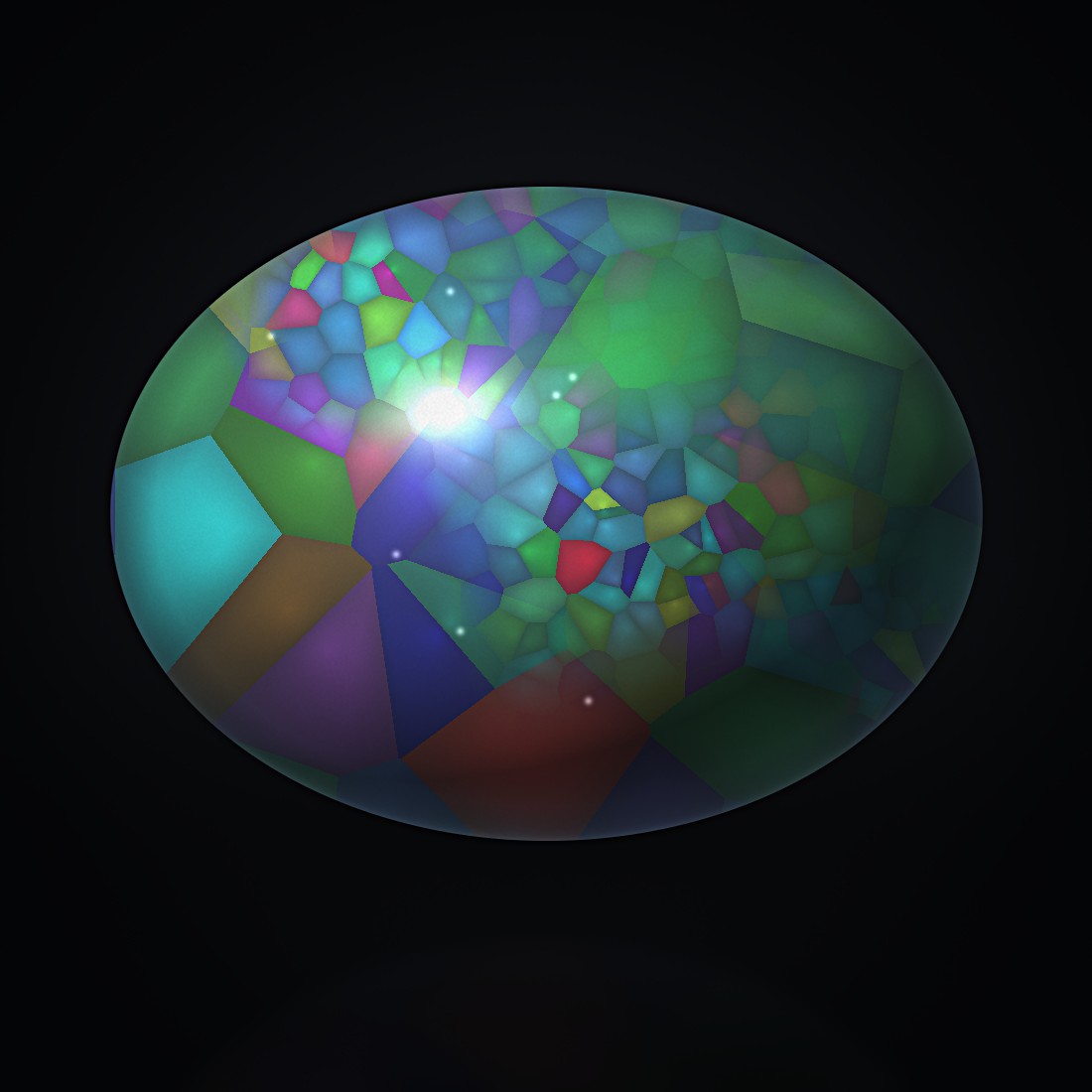
If you have just bought your first Ethiopian opal, one thing tends to worry people more than anything else: what happens when it gets wet? The honest answer is that Ethiopian opal is genuinely different from the Australian stones most care advice is written for, and treating it the same way is where owners get into trouble. This guide explains why it reacts to water, and gives you clear rules for wearing, cleaning, drying, and storing it.
What does “hydrophane” mean?
Hydrophane comes from the Greek for “water-loving,” and it describes opal that is porous enough to absorb water. Most Ethiopian opal — especially Welo opal from the Wollo Province — is hydrophane. When a hydrophane stone takes on water, it can turn more transparent and its play-of-color may fade, shift, or vanish. It looks alarming, but in most cases it is temporary: as the water leaves the stone, the fire comes back.
This single property drives almost every care rule below. It is also the main reason Ethiopian opal is priced and handled differently from Australian opal, which is not hydrophane and does not drink water this way.
Why Ethiopian opal reacts to water and Australian opal doesn’t
Opal is made of microscopic silica spheres. In Australian opal those spheres are packed tightly with very little open space, so water can’t get in and the stone stays stable. In Ethiopian hydrophane opal the structure is more porous, so water moves into and out of the stone freely. That porosity is what makes the “now you see it, now you don’t” clouding possible — and what makes contaminated water so risky, because whatever is dissolved in the water can travel in with it.
| Behavior | Ethiopian (hydrophane) | Australian (non-hydrophane) |
|---|---|---|
| Absorbs water | Yes — readily | No |
| Can cloud temporarily | Yes, then clears when dry | No |
| Main staining risk | Oils, soaps, lotions, dyes in water | Low |
| Ultrasonic / steam cleaning | Never | Not recommended |
If you’re weighing the two before you buy, the full trade-off is covered in Ethiopian opal vs Australian opal.
Can Ethiopian opals get wet?
Yes, briefly, with clean water — a splash while washing your hands won’t ruin a stone, and any short-lived clouding will clear as it dries. What you want to avoid is prolonged soaking and, more importantly, water that carries other substances. Soapy water, a chlorinated pool, seawater, dishwater full of grease, or water mixed with lotion or perfume can all leave marks that don’t come out. Because the stone absorbs whatever it touches, the contaminant ends up inside the opal, not just on the surface.
Safe around
- A quick splash of clean water
- A barely-damp cloth for cleaning
- Normal room humidity
- Being worn on a dry day
Take it off for
- Showering, bathing, swimming
- Dishwashing and cleaning
- Lotion, perfume, sunscreen, hand sanitizer
- The gym and heavy sweat
A simple habit solves most of this: opal goes on last when you get ready, and comes off first when you get home.
Do Ethiopian opals need water?
No — and this myth causes real damage. You may have read that opals should be stored in water to stop them drying out. That advice is wrong for solid natural opal in general, and for hydrophane Ethiopian opal it is the opposite of what you should do. Keeping a hydrophane stone submerged leaves it permanently waterlogged, dulls its fire, and exposes it to any impurity in the water for days on end. Store it dry. Normal household humidity is all a solid Ethiopian opal needs.
Do Ethiopian opals turn yellow?
Sometimes — and it’s worth separating the harmless version from the permanent one.
- Temporary: a fully saturated stone can look amber, tea-colored, or glassy while it’s holding water. This reverses completely once it dries out.
- Permanent: a gradual yellow or brown tint that doesn’t fade usually means the stone has absorbed skin oils, lotion, cosmetics, or dye over time. That staining is often impossible to remove at home.
The fix for the first is patience. The fix for the second is prevention — which is really what all of this comes down to.
How to clean an Ethiopian opal
Cleaning Ethiopian opal is mostly about doing less. For everyday care, a soft, dry, lint-free cloth is all you need to remove dust and skin oils. If the stone needs more, lightly dampen the cloth with clean water only, wipe gently, then dry it and let it air-finish before wearing or storing.
Ethiopian opal is also relatively soft — roughly 5.5 to 6.5 on the Mohs scale, softer than quartz or a sapphire — so it scratches easily. Keep it away from harder gems during cleaning and storage, and never scrub it with anything abrasive.
What to do if your opal clouds or changes color
If your stone has gone milky, glassy, or amber after contact with water, don’t panic and don’t try to force it back. In the great majority of cases it simply needs to dry:
- Pat it dry with a soft cloth and set it somewhere with normal room temperature and airflow.
- Keep it out of direct sunlight and away from any heat source — no radiators, no windowsills in the sun, no hair dryer.
- Leave it alone. Depending on how much water it absorbed, clearing can take a few hours to several days.
- Check on it once a day. As the water leaves, the transparency and play-of-color return on their own.
How to store and wear it safely
Store Ethiopian opal dry and separate: a soft pouch or a lined compartment keeps it from rubbing against harder jewelry. Avoid two extremes — don’t seal it in an airtight box with strong desiccant packs that could over-dry it, and don’t keep it anywhere damp. A drawer at normal room conditions is ideal.
For wearing, setting matters. Rings take the most abuse from knocks, water, and cleaning products, so an opal you wear daily is safer as earrings or a pendant than as a ring — or in a protective bezel setting if you do want a ring. And because opal dislikes sudden change, avoid going straight from a hot environment to a cold one while wearing it.
Should you buy stabilized or treated Ethiopian opal?
Some Ethiopian opal on the market has been treated. Smoke and sugar/acid treatments are used to darken stones into “black” opal, and polymer or resin stabilization fills the pores so the stone no longer behaves as a hydrophane. Stabilized opal barely reacts to water and is far more forgiving for everyday wear.
The catch is value and honesty. A treated stone is worth considerably less than a comparable natural one, and reputable sellers must disclose treatment. So the choice depends on what you want:
- Worry-free daily wear: a clearly disclosed stabilized stone is a reasonable, practical pick.
- A natural collectible or investment piece: choose untreated, and accept the gentle care it needs.
Either way, insist on disclosure and a description of any treatment in writing. How treatment affects price is covered in what Ethiopian opal is worth.
Frequently asked questions
Can Ethiopian opals get wet?
Brief contact with clean water is usually fine and any temporary clouding fades as the stone dries. The real risk is prolonged soaking and anything dissolved in the water — soap, oils, lotion, sweat, or dye — which can leave permanent stains. Take opal jewelry off before showering, swimming, dishwashing, or applying cosmetics.
Do Ethiopian opals need to be stored in water?
No. That myth comes from garbled advice about opal in general, and for hydrophane Ethiopian opal it is actively harmful. Solid natural opal does not need to be kept in water. Store it dry, at normal room humidity, in a soft pouch.
Do Ethiopian opals turn yellow?
They can look amber or yellow temporarily while saturated with water, which reverses as the stone dries. Lasting yellowing or browning is different: it comes from absorbed skin oils, lotions, or dyes and is often permanent, which is why keeping the stone away from those substances matters.
How do you clean an Ethiopian opal?
Wipe it with a soft, dry or barely damp lint-free cloth. If it needs more, use a cloth lightly moistened with clean water only, then dry it and let it air-finish. Avoid soap, jewelry-cleaning solutions, ammonia, alcohol, ultrasonic cleaners, and steam.
How do you dry an Ethiopian opal that has gone cloudy?
Let it dry slowly on its own at room temperature, out of direct sunlight and away from any heat source. Clearing can take anywhere from a few hours to a few days depending on how much water it absorbed. Never speed it up with a hair dryer, oven, or radiator, as fast drying risks cracking.
Can you polish an Ethiopian opal at home?
Light hand-buffing with a clean microfiber cloth restores everyday shine safely. True repolishing removes surface material and generates heat and moisture, so leave that to a lapidary or jeweler experienced with opal, especially for hydrophane material.
How do you restore an Ethiopian opal’s color?
If the color faded because the stone is waterlogged, simply drying it fully brings the play-of-color back. If the dullness is from absorbed oils or a stain, home fixes are risky; a jeweler or lapidary can assess whether careful cleaning or repolishing will help.
Can you use an ultrasonic cleaner on Ethiopian opal?
No. Ultrasonic and steam cleaners drive water and vibration into the stone and can cause clouding, staining, or cracking. Hydrophane opal is especially vulnerable. Clean it by hand instead.
Do Ethiopian opals crack or craze?
They can, though hydrophane opal that rehydrates is generally less prone to it than some other opal. The main trigger is rapid change — fast drying, direct heat, or sudden temperature swings. Steady, moderate conditions are the best protection.
Is stabilized Ethiopian opal better for everyday wear?
For hard daily wear, yes — stabilized or treated opal resists water and staining far better because its pores are filled. The trade-off is value: treated stones are worth less and must be disclosed. A natural stone in a protective setting is a middle path.